Whether you are opening a parcel in Macomb Township and north Macomb County or carving space for an addition, lot prep is a sequence, not a single machine visit. Skipping steps creates mud, drainage fights and change orders. This overview ties the pieces together and links to deeper service pages.
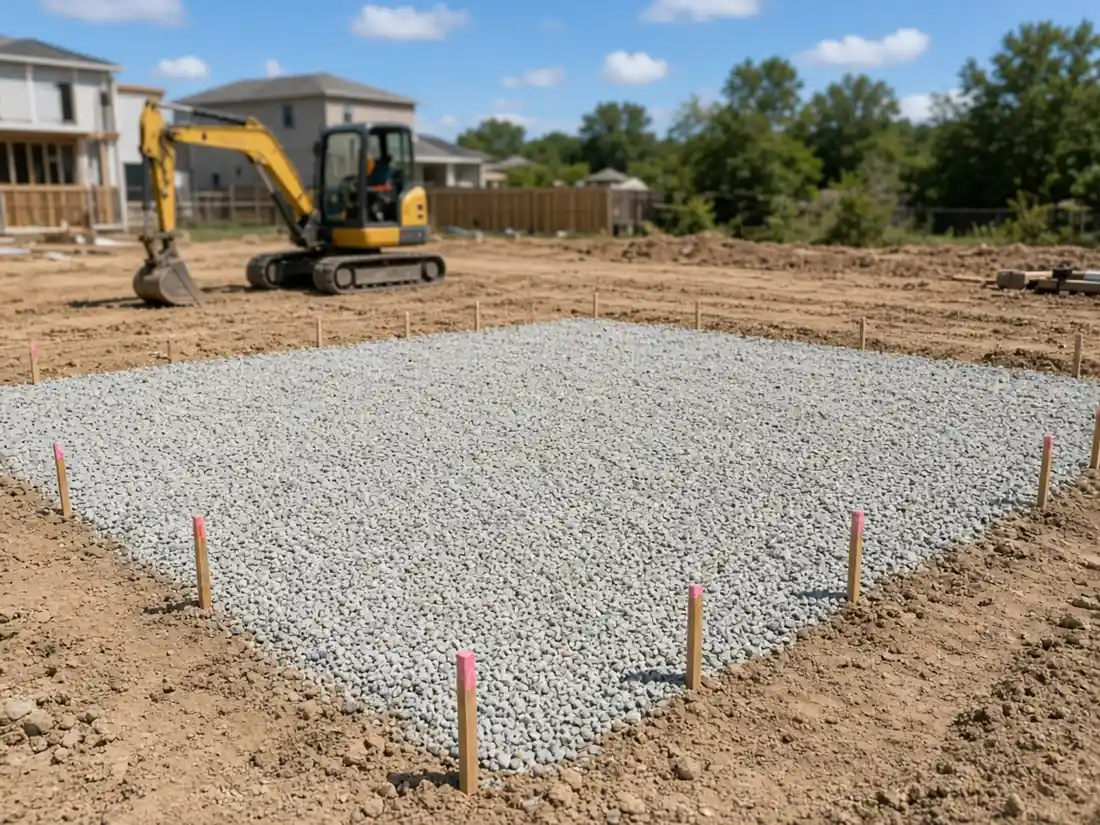
A Practical Sequence
- Confirm zoning setbacks and easements with the local building/planning office.
- Survey and stake the building envelope.
- Land clearing of brush and designated trees.
- Strip and stockpile topsoil worth saving.
- Rough site prep and grading for drainage and pad elevation.
- Basement excavation or crawl/footing digs per plans.
- Footing trenches to frost-protected elevations on the plans.
- Utility trenching coordinated with plumbers and electricians.
- Backfill and rough grade after foundations, keeping water away from walls.
- Fine grade and landscaping by others as needed.
Clay and Moisture Planning
Macomb Township and nearby Chesterfield and Clinton areas include dense lake-plain clay that stays wet after storms. Excavators plan for sticky buckets, soft truck access and trench walls that need attention when saturated. Build float days into spring schedules. Truck access after rain may need gravel entrances so clay is not tracked onto Hall Road (M-59), Card Road, 21 Mile and Romeo Plank.
Drainage From Day One
Do not wait until sod day to think about water. Swales, outlets and downspout plans belong in the rough grade. See drainage in clay.
Documents to Keep
Approved plans, MISS DIG ticket numbers, dump tickets if provided, and photos of open excavations help later buyers and warranty discussions.
Next Step
Macomb Township Excavating refers independent excavators for clearing, grading and digging in Macomb Township, Shelby Township and north Macomb County. Contact us with your city, timeline and any plan sheets you already have.
Additions vs. New Homes
Additions on existing Macomb Township lots inherit neighbors, mature trees, underground utilities and finished landscaping. New homes on open parcels trade those constraints for longer driveway construction, temporary power planning and more spoil logistics. The excavating sequence is similar; the risk register differs. Additions need extra care around existing foundations and shared walls.
Survey Early
A cheap mistake is clearing or digging past the setback. Survey stakes are cheaper than moving a footing. If a mortgage survey is old, consider updating before major earthwork.
Temporary Facilities
Portable toilets, material laydown and trailer parking eat pad space. Decide where they go so they are not sitting on the future septic field or in the truck turnaround.
Utilities Coordination
Temporary electric, construction water and future permanent services should be sketched before the basement hole opens. Crossing an open excavation with later trenches is awkward and unsafe.
Quality Gates
Before foundation walls, confirm bottom elevations. Before backfill, confirm waterproofing and drain tile are complete if they are in the scope. Before fine grade, confirm rough elevations shed water correctly. Excavators, builders and owners should agree who signs off at each gate.
Budgeting Without Fake Numbers
Lot prep cost is a stack of clearing, grading, digging, trucking, stone, pumping and restoration. National averages hide local clay and dump fees. Collect apples-to-apples bids with the same plan set.
Call to Action
Ready to line up excavating help for a build in Macomb Township and north Macomb County? Contact Macomb Township Excavating. Related guides: land clearing before building, basement process, frost line.
Communication Cadence
Weekly check-ins during active digging prevent surprises. Share weather delays early. If concrete is scheduled, the excavator and foundation crew need the same forecast philosophy. Put a single point of contact on both sides.
Sustainability and Spoil Reuse
Clean topsoil can be reused on site. Mixed clay may not belong under slabs. Recycling concrete from demo reduces dump fees when markets exist. Ask about reuse options without assuming they are free.
Example New-Home Path in Macomb Township
A frequent sequence: township permits and soil erosion as required, clearing, topsoil strip, basement dig in clay, frost-depth footings per plans, utility trenches, then rough grade with drainage away from the house. Wide lots help trucking, but unfinished shoulders on mile roads get soft—ask about gravel entrances. If septic is involved, protect the field from compaction. See basement process and septic excavation.
Rain Plans and Open Holes
Clay basement holes north of Hall Road collect water fast in spring. Agree who owns pumping if storms hit between dig and footing pour. Re-trimming a slurried bottom costs time—plan float days.
Final Pre-Mob Checklist
- Township/county permits status
- Health department pieces if septic
- MISS DIG timing
- Truck route on soft shoulders
- Spoil and topsoil stockpile locations
- Contacts for builder, excavator and owner
Then mobilize with fewer surprises. Contact Macomb Township Excavating when you are ready for a referral.
Working With Lenders and Builders
Construction draws often unlock after foundations. Digging delays on clay weeks can push pours. Align the excavator, concrete crew and lender inspector expectations so a weather delay does not turn into a paperwork delay. Define whether rough grade alone satisfies the excavating pay app.
Keep Learning
Use the related service pages linked above for scope details, then come back to this guide when you are comparing written proposals. Clear scopes beat vague promises. When you are ready for an introduction to a local excavating contractor, use the quote form or call the number at the top of the page.
If you want a local excavating introduction after reading, use the quote form or call the number shown at the top of every page.